
The demand for Intermediate Bulk Containers (IBC tanks) has been steadily growing across South America. Countries such as Brazil, Mexico, and Venezuela are experiencing increasing demand for reliable liquid storage and transportation solutions, particularly in industries like chemicals, agriculture, food processing, and petroleum.
For investors and packaging manufacturers, establishing an IBC tank production business can be a highly profitable opportunity. This article explains the key steps involved in starting an IBC tank manufacturing operation in South America.
1. Understand the Market Demand
South America has strong demand for bulk liquid packaging. Many companies rely heavily on imported IBC containers, which increases cost and supply risks.
Industries that frequently use IBC tanks include:
Chemical and petrochemical companies
Agricultural chemical producers
Food ingredient manufacturers
Pharmaceutical suppliers
Industrial lubricant companies
In countries like Brazil and Venezuela, local manufacturing of IBC tanks can significantly reduce transportation costs and improve supply stability.
This creates a strong opportunity for businesses to invest in local IBC production lines.
A complete IBC container typically consists of several components:
HDPE Inner Bottle
Produced using a large blow molding machine.
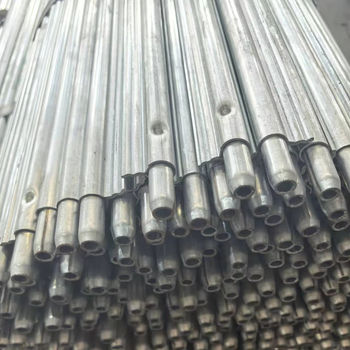
Steel Cage Frame
Manufactured from welded steel mesh panels that are bent and assembled to form the protective cage.
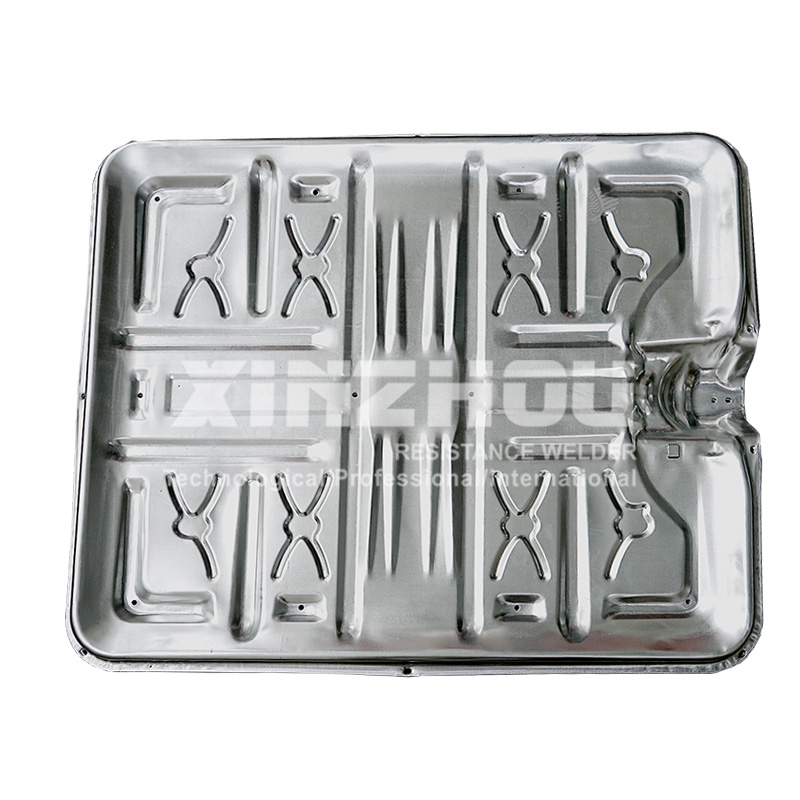
IBC Pallet Base
Usually made of steel, plastic, or wood.
Accessories
Includes valves, top caps, corner protectors, and other fittings.
Efficient production requires dedicated machinery for each of these components.
To start an IBC tank manufacturing business, the following core equipment is typically required:
Used to produce the HDPE inner bottle with capacities usually around 1000 liters.

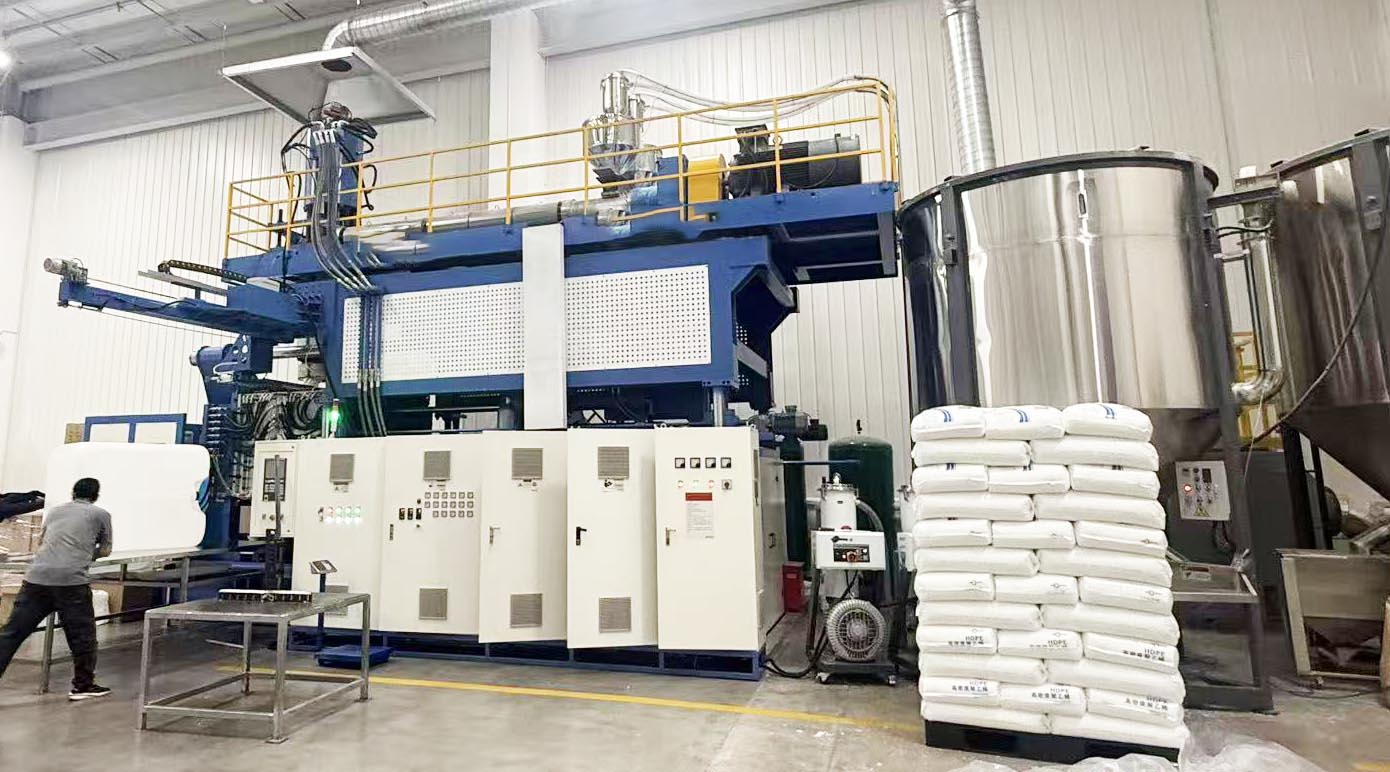
IBC Tank Production Business in South America


This line includes:
Mesh welding machine
Cage bending machine
Punching and flattening machine
Cage assembly equipment

Depending on the pallet type:
Steel pallet forming machines
Plastic pallet injection molding machines
Wood pallet assembly lines

Used to combine the plastic bottle, cage frame, pallet, and accessories into the finished IBC tank.
Automation can significantly increase production efficiency and reduce labor requirements.
A typical IBC tank production plant requires:
Factory space:
Approximately 3,000–6,000 m² depending on automation level.
Labor:
A modern automated production line may require only 8–15 workers per shift.
This includes operators for:
Blow molding machines
Welding equipment
Assembly lines
Quality inspection
With proper automation, productivity can reach 200–400 IBC tanks per shift.
Key raw materials include:
HDPE resin for the inner bottle
Steel wire or steel tubes for the cage frame
Pallet materials (steel, plastic, or wood)
Many equipment suppliers can also assist clients with sourcing IBC cage raw materials and accessories, helping new factories establish stable supply chains.


Selecting a reliable machinery supplier is critical for long-term success.
An experienced manufacturer should be able to provide:
Complete IBC tank production line solutions
Factory layout design
Equipment installation and training
Technical support and after-sales service
For example, Ningbo Xinzhou Welding Equipment Co., Ltd. specializes in IBC cage production lines and automated welding solutions. The company provides turnkey equipment for manufacturers looking to establish IBC tank production facilities worldwide.
In addition to machinery, they can also assist clients with IBC cage raw materials, steel pallets, valves, and other accessories, helping new factories start production more efficiently.
Because many South American countries still rely heavily on imported IBC containers, local production can offer several advantages:
Lower transportation costs
Faster delivery to customers
Better control over supply
Higher profit margins
With the right equipment and operational planning, an IBC production business can become a stable and profitable manufacturing investment in the region.
The demand for bulk liquid packaging continues to grow across South America. Establishing an IBC tank production business offers strong opportunities for manufacturers and investors looking to enter the packaging industry.
With modern automated equipment and reliable technical partners such as Ningbo Xinzhou Welding Equipment Co., Ltd., companies can efficiently set up complete IBC manufacturing facilities and meet the rising market demand.
 English
 Pусский
 Français
 Español
 Português
 العربية

